

Published by Energy Now Group
The transport sector is facing one of the biggest challenges of the decade: reduce emissions without sacrificing operational efficiency. For many companies, the question is not whether they should adopt sustainable solutions, but what technologies generate a real impact on costs and productivity.
In this context, solar energy applied to commercial vehicles is moving away from being an idea to pilot to become a practical tool and cost-effective fleet of freight, distribution and transportation of passengers.
The problem: more consumption, more costs, more environmental pressure
The modern fleets are increasingly dependent on electrical systems auxiliary:
- Telemetry and GPS
- Cameras and systems ADAS
- Cooling
- Lighting
- Communication and connectivity
- Safety equipment
Traditionally, all this power comes from the alternator and the fuel of the vehicle. The result is a more consumption, more wear of the electrical system and higher emissions of CO₂.
The opportunity: to generate power directly to the vehicle
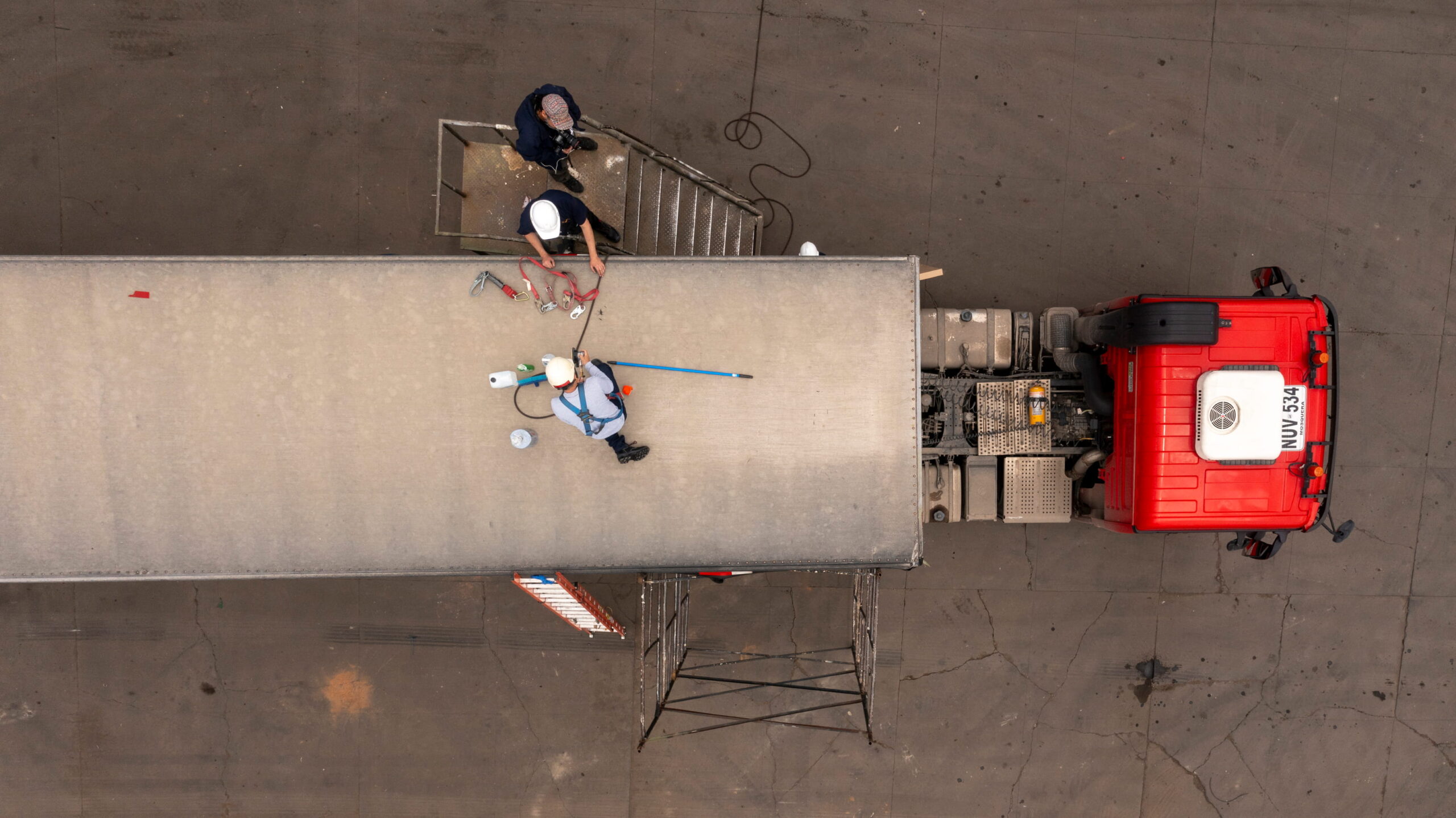
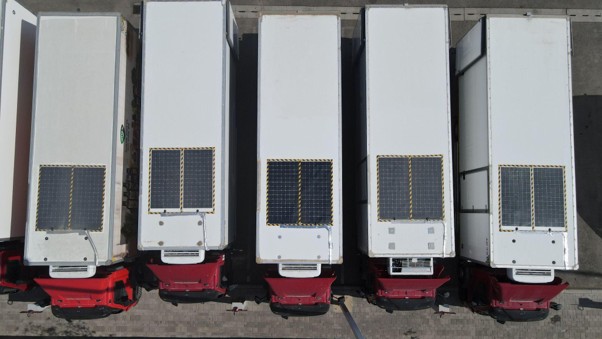
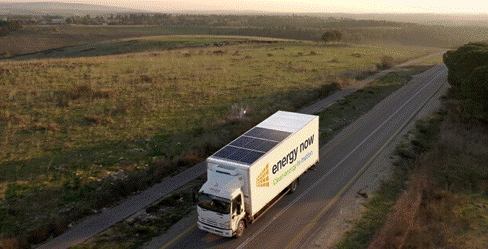
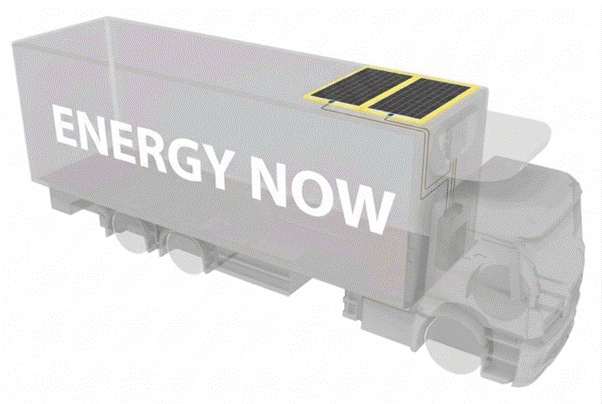
The new generations of solar panels, ultra-light and flexible, allow you to take advantage of surfaces that previously was not used, as the roofs of trucks, buses, vans, and trailers.
In Energy Now we develop solutions that convert your vehicle into a source of energy generation mobile, able to feed and auxiliary systems to reduce the load on the alternator.
What changes with this technology?
Less effort alternator
The electrical system receives direct support from the solar panels.
Reduction of fuel consumption
Each enhancement energy is multiplied when the fleet operates hundreds of vehicles.
Longer service life of the batteries
Less deep cycles and better electrical stability.
Lower carbon footprint
Renewable energy is generated directly on the asset.
Why now yes it is viable?
Some years ago, the panels traditional glass were too heavy for applications in vehicle. Today there are technologies flexible that weigh between 4 and 6 kg/m2, well below the conventional systems.
Use cases with the greatest potential
Urban distribution
Vehicles that perform multiple stops and maintain electrical equipment active throughout the day.
Refrigerated transport
The electrical demand constant makes this segment in one of the most attractive for the generation solar auxiliary.
Buses and passenger transport
Lighting systems, ventilation, connectivity, and security can be partially powered by solar energy.
Trailers and assets for non-motorized
Even when the vehicle is stopped, the system can continue to generate energy.
Beyond the savings: sustainability measurable
More and more companies are required to report indicators ESG and goals of decarbonisation. Solar energy vehicle offers an important advantage: the impact can be measured and documented.
This makes it easy to:
- Sustainability reports
- Strategies of carbon
- Environmental certifications
- Relationship with investors and customers
The vision of Energy Now
In Energy Now we believe that renewable energy should not be limited to roofs and solar power plants. The energy has to move to the cities, goods and people.
That's why we develop solutions solar mobile:
- Commercial fleets
- Public transport
- Logistics and distribution
- Operational infrastructure
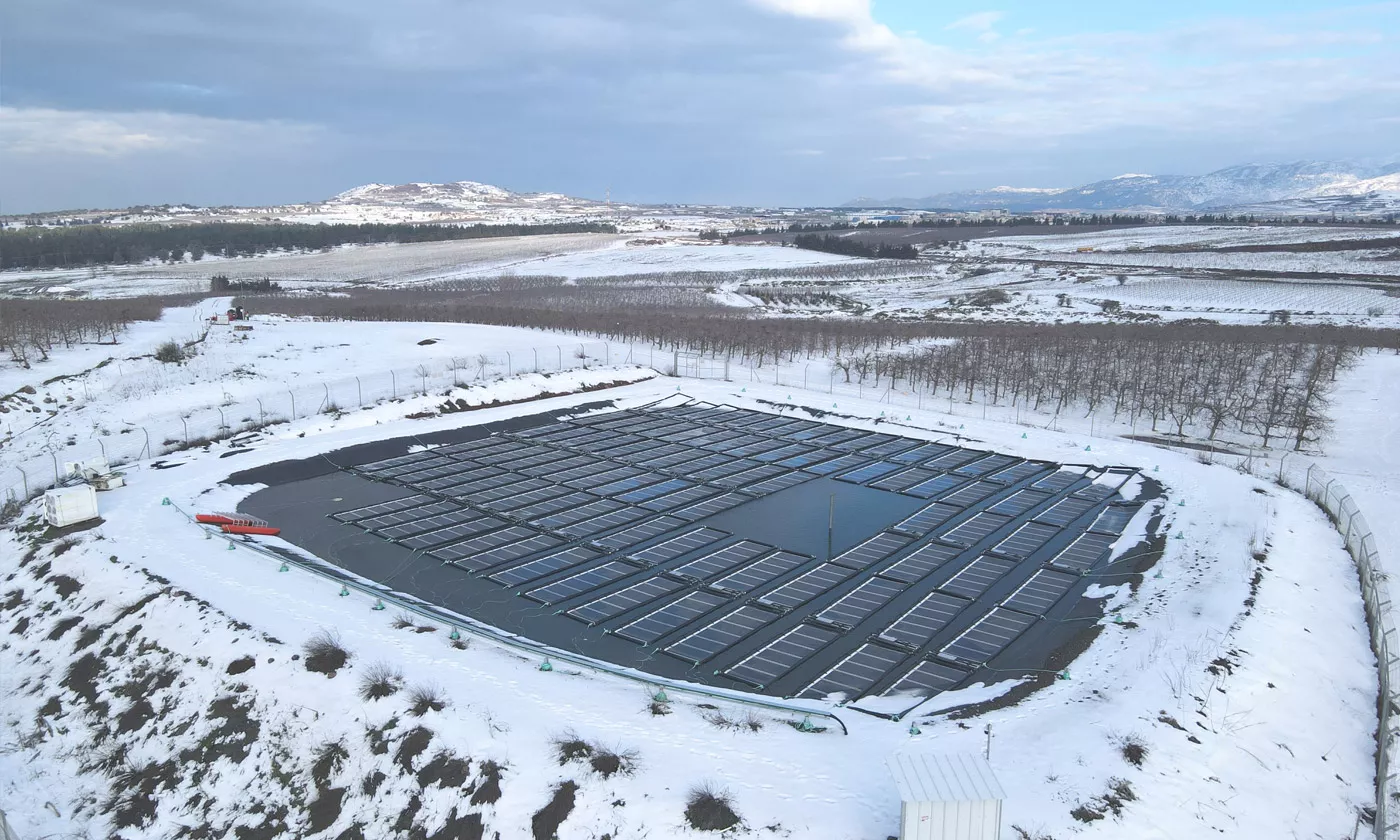
- Energy assets, remote
Our approach combines israeli technology, intelligent monitoring and adaptation to the actual conditions of operation in Latin America.
Conclusion
The energy transition in the transport will not occur with a single technology. It will be the result of numerous improvements cumulative: electrification, efficiency, digitization and distributed generation.
Solar energy applied to commercial vehicles is already showing that he can be one of those improvements of high-impact and fast implementation.
For companies looking to reduce operational costs, extend the useful life of their assets and advance their sustainability goals, the time to evaluate this technology is now.
Do you want to assess the solar potential of your fleet?
In Energy Now we carry out diagnostics of technical and economic to identify how you can build each vehicle and what would be the impact on savings and reduction of emissions.
Contact us: